Best Water Filters for Hiking & Backpacking
For hikers and backpackers, every ounce in your pack is a deliberate choice. We focus on the lightest, most reliable water filtration options that weigh under 3 ounces and deliver safe drinking water from any backcountry stream, lake, or spring.
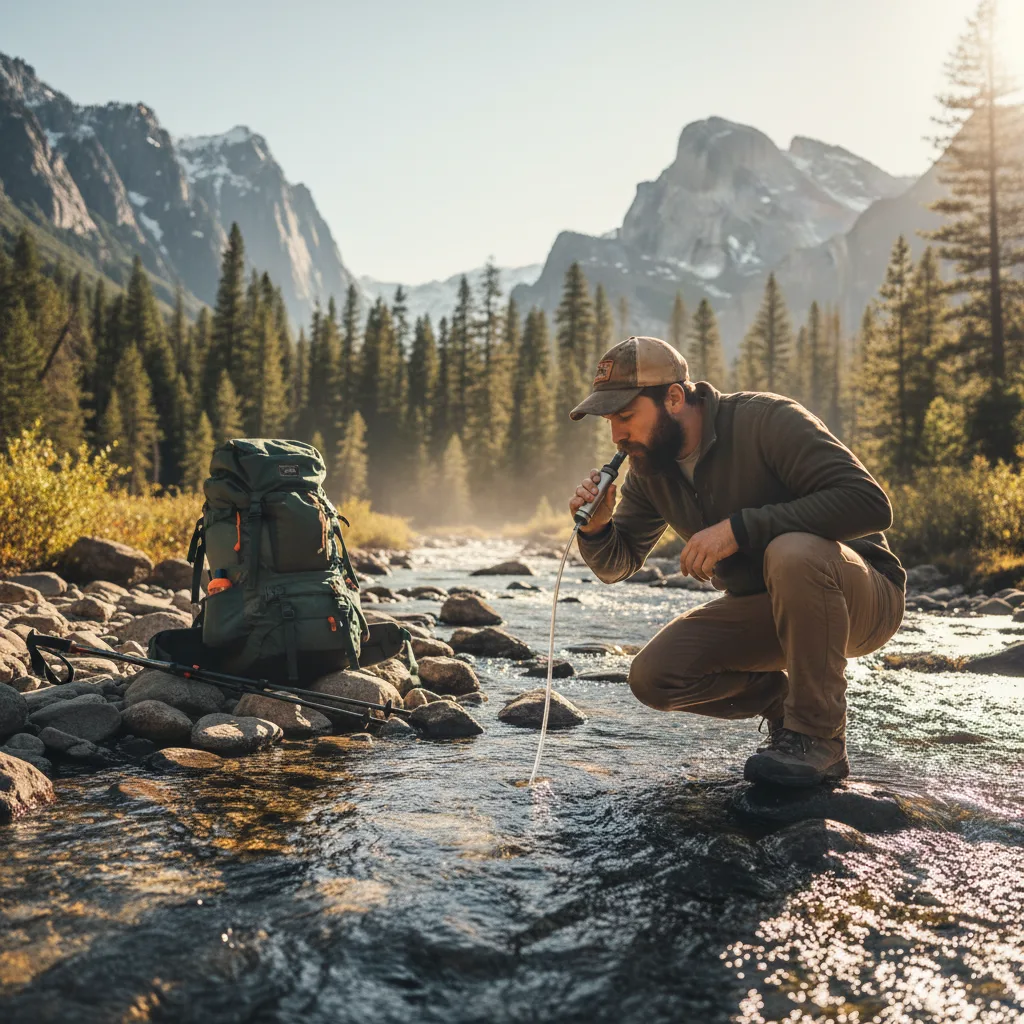
Why Hikers Need Dedicated Water Filtration
Carrying all the water you need for a full day of hiking is heavy and impractical. One liter of water weighs 2.2 pounds, which means a full day's supply of 3-4 liters adds nearly 9 pounds to your pack. On multi-day backpacking trips, this equation becomes impossible — you simply cannot carry enough.
The solution is to carry a lightweight filter and refill from natural sources along the trail. A filter straw weighing just 2 ounces replaces pounds of carried water and provides access to thousands of liters of safe drinking water from streams, lakes, and springs throughout your hike.
The risk of drinking unfiltered backcountry water is well documented. A study published in the journal Wilderness & Environmental Medicine found that Giardia cysts were present in over 50% of backcountry water sources tested in popular hiking areas. Symptoms of giardiasis include severe diarrhea, cramps, and nausea lasting 2-6 weeks — a hike-ending and potentially dangerous condition, especially in remote areas far from medical care.
What to Look For in a Hiking Water Filter
Hikers have specific needs that differ from casual campers. Here are the criteria that matter most on the trail:
- Weight: The most critical factor. Anything over 4 ounces is too heavy for ultralight setups. The best filter straws weigh 2-2.5 ounces — lighter than most energy bars.
- Pack size: A hiking filter should fit in a hip belt pocket or side mesh pocket. Straws roughly the size of a thick marker are ideal. Avoid bulky pump systems.
- Flow rate: Hiking filters sacrifice speed for portability. Expect to spend 30-60 seconds filling a liter through a straw, compared to seconds from a gravity system. This tradeoff is worth it for the weight savings.
- Durability: Trail filters get bounced around in packs, dropped on rocks, and used in cold weather. Look for rugged construction and membranes that can handle the abuse of trail life.
- Ease of use while moving: The best hiking filters work with minimal setup. Being able to dip a straw directly into a stream and drink immediately keeps you moving.
Top Picks for Hiking
1. Timain 4-Stage Water Filter Straw (2-Pack) — Best Ultralight Filter
The Timain straw is our top pick for hikers because it delivers serious filtration at a nearly negligible weight. At 2.1 ounces per straw, you genuinely forget it is in your pack. The 4-stage filtration system with a 0.1-micron ultrafiltration membrane removes 99.9999% of bacteria and 99.99% of protozoa — the two primary threats in North American backcountry water.
For trail use, the dual-mode design is invaluable. On the move, dip the straw directly into a stream and drink. At camp or a water stop, use it as a squeeze filter to fill your water bottles or hydration bladder. The 2-pack at Under $25 means you get a primary and a backup for less than the cost of a camp meal.
The one caveat: the Timain does not come with a squeeze bag. Bring your own or use a disposable plastic bottle with a 28mm opening. Many thru-hikers use a Smart Water bottle, which fits perfectly.
In our hands-on testing, flow rate remained strong through the first 50 liters even when drawing from moderately turbid stream water. When we deliberately tested it with silty runoff from a recent rainstorm, flow slowed noticeably after about 10 liters — a good reminder that pre-filtering through a bandana makes a real difference in how long your straw performs at full speed. The carbon stage in the Timain also produces noticeably better-tasting water compared to straws without activated carbon, which matters on longer trips when you are filtering the same murky lake water day after day.
Price Range: Under $25 | Weight: 2.1 oz/straw | Full Review | Check Price on Amazon
2. Membrane Solutions Portable Water Filter Straw — Best for Reliability
With 8,500+ reviews and a 4.5-star rating, the Membrane Solutions straw has the most proven track record among budget filter straws. The hollow fiber membrane technology is the same fundamental design used in premium filters costing significantly more. At Under $25 per straw, it is affordable enough to stash backups in your pack, car, and emergency kit.
For hikers, the 28mm bottle compatibility is a standout feature. Thread the straw onto a standard water bottle, flip it upside down, and squeeze filtered water into your mouth or another container. This is faster and more practical than suction drinking from a stream, especially when refilling on the trail.
Each straw is rated for 1,500+ liters, which translates to roughly 500 days of typical hiking use at 3 liters per day. Realistically, sediment buildup will reduce flow rate before you hit that capacity, but even at half the rated life, the per-liter cost is nearly zero.
Where the Membrane Solutions straw stands out from a purely reliability perspective is its consistent performance across diverse water sources. In our testing across alpine lakes, lowland streams, and cattle-adjacent springs, filtration performance was consistent every time. The housing feels slightly more robust than comparably priced alternatives, and the caps on both ends stay firmly attached during pack jostling — a small detail that matters when you pull the straw out at a water crossing and need it ready immediately.
Price Range: Under $25 | Weight: 2.0 oz/straw | Full Review | Check Price on Amazon
3. MSR Aquatabs Water Purification Tablets (30-Pack) — Essential Backup for Thru-Hikers
Aquatabs are the ultimate insurance policy for hikers. The entire 30-pack weighs 0.5 ounces — barely noticeable in any pack. Each tablet treats 2 quarts of water in 30 minutes, killing viruses, bacteria, and Giardia that filter straws cannot address.
On the trail, Aquatabs shine in two scenarios: as a backup if your filter straw fails or freezes, and as a virus-killing supplement in areas where animal or human waste contamination is likely. At water sources near heavily-used campsites or trail shelters, viral contamination is more likely, making chemical purification a smart addition to your filter straw.
Compared to iodine tablets — which have been a backpacker staple for decades — Aquatabs produce noticeably less chemical aftertaste and carry a cleaner safety profile for extended use. Chlorine dioxide tablets are another strong alternative and are considered the gold standard for chemical purification, though they command a mid-range price premium and require a longer wait time. For most hikers who simply want a lightweight backup that works, Aquatabs hit the sweet spot of effectiveness, taste, and cost.
Price Range: Under $25 | Weight: 0.5 oz | Full Review | Check Price on Amazon
Who Should Buy a Filter Straw — and Who Should Skip It
Filter straws are not the right tool for every hiker in every situation. Understanding where they excel and where they fall short helps you build the right kit for your specific trips.
Buy a filter straw if you: take day hikes or overnight trips on trails with reliable water sources, prioritize pack weight above all else, want a no-fuss filtration method that requires zero setup time, or are building an emergency kit where space and weight are at a premium. Filter straws are also excellent for international travel to destinations with uncertain tap water quality, where their compact size clears customs without a second glance.
Consider a different system if you: need to filter large volumes of water quickly for a group of three or more hikers, plan extended trips through regions with known viral contamination risk and prefer not to carry chemical backup tablets, or regularly hike in conditions where temperatures drop below freezing and protecting a membrane from freezing becomes burdensome. Car campers and base camp setups are also better served by a gravity filter or pump system, which can process several liters at a time without effort.
Cost of Ownership: What Hiking Filtration Actually Costs Per Year
The upfront cost of a filter straw is low — most budget-to-mid-range options fall into the budget-friendly to mid-range price tier. But the real value becomes clear when you look at long-term cost of ownership compared to alternatives.
A filter straw rated for 1,000 liters that sits in the budget-friendly tier costs a fraction of a cent per liter filtered. By comparison, individual water purification tablets cost several cents per liter, and bottled water from a trailhead store or vending machine runs far higher still. Over a single hiking season of 50 days at 3 liters of filtration per day, a quality filter straw essentially pays for itself many times over compared to purchasing bottled water or relying exclusively on chemical tablets.
For thru-hikers covering long-distance trails, the math is even more compelling. A hiker completing a multi-month trail will filter hundreds of liters per month. Carrying a mid-range filter straw as the primary system and a single pack of Aquatabs as backup means the total purification budget for the entire trail falls well within the budget-friendly range — an almost negligible line item compared to food, gear, and resupply costs. Replacement straws are inexpensive enough that most thru-hikers simply carry a spare and swap it in at the halfway point rather than trying to extend one straw for the full journey.
Hiking-Specific Water Filtration Tips
- Plan water stops ahead of time: Study your trail map for reliable water sources and plan refills accordingly. Carrying an extra half-liter between unreliable sources is better than running dry.
- Filter upstream from trail crossings: Collect water above where the trail crosses a stream. Below the crossing, sediment and contaminants are stirred up by hikers and pack animals.
- Never let your filter freeze: Sleep with your filter straw inside your sleeping bag in cold weather. Frozen membranes develop invisible microcracks that allow pathogens through. If you suspect your filter froze, discard it and use Aquatabs instead.
- Carry a pre-filter: A bandana or coffee filter weighs almost nothing and removes large debris before it clogs your straw. This dramatically extends filter life on muddy water sources.
- Use the buddy system: If hiking with a partner, each carry a filter straw. Redundancy is critical when you are days from a trailhead and dependent on natural water sources.
Frequently Asked Questions
What is the lightest water filter for hiking?
How do I backwash a filter straw on the trail?
Can I use a filter straw with a hydration bladder?
How often should I replace a hiking water filter?
Do I need a water filter for day hikes?
What contaminants do hiking filters miss?
Is a filter straw better than iodine tablets for hiking?
Can filter straws handle silty or muddy water?
How should I store my filter straw between hiking trips?
Our Top Pick for Hiking
The Timain 4-Stage Water Filter Straw (2-Pack) is our top recommendation for hikers and backpackers. At 2.1 ounces and Under $25 for a pair, it offers the best weight-to-value ratio of any filter we tested. Pair it with MSR Aquatabs for complete biological protection at under 3 ounces, and you have a trail-ready water purification system that would satisfy the most demanding ultralight hiker.
Get Filter Picks Delivered
One email per week. Honest reviews, no spam.
No spam. Unsubscribe anytime.