Beginner Guide to Water Filtration
If you have never owned a water filter and are not sure where to start, this guide is for you. We will explain why you might want one, break down the different types in plain language, bust common myths, and help you pick your first filter in under 10 minutes. No jargon, no overwhelm — just the essentials.
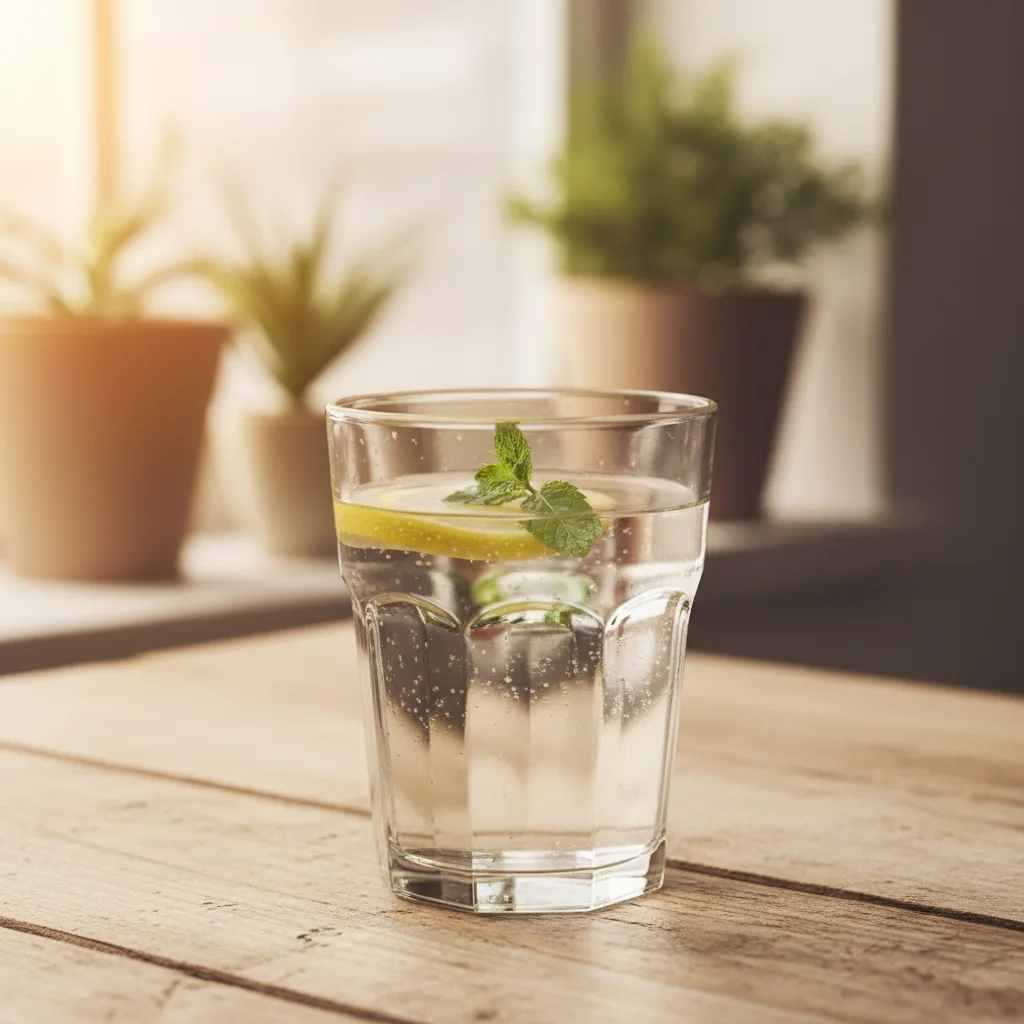
Why Filter Your Water?
If you are on a municipal water supply in the United States, your tap water is treated and monitored to meet EPA standards. It is not dangerous. So why bother filtering?
Three reasons:
- Taste. Chlorine is added to kill bacteria during treatment, and it works — but it leaves an unmistakable taste and smell. A basic carbon filter removes chlorine and makes your water taste noticeably better. This alone justifies the cost for most people.
- Trace contaminants. "Meets EPA standards" does not mean zero contaminants. It means levels are below legal limits. Those limits do not cover every substance (PFAS regulations are still evolving), and some people prefer an extra layer of protection — especially for lead from aging pipes, pharmaceutical residues, and agricultural chemicals.
- Cost savings. If you are buying bottled water, a filter pays for itself in weeks. A family of four buying one 24-pack of water bottles per week spends hundreds of dollars per year. The cheapest pitcher filter in our catalog has a very low upfront cost and modest annual replacement expenses.
The Four Filter Types You Need to Know
There are dozens of filter technologies, but as a beginner, you only need to understand four categories:
1. Pitcher Filters — The Starting Point
What it is: A plastic pitcher with a filter cartridge built into the top. Fill the reservoir, gravity pulls water through the filter, and clean water collects below.
Installation: None. Take it out of the box, insert the filter, fill with water. Done.
Cost: Budget-friendly upfront pricing. Low-cost replacement filters every 2-6 months.
What it removes: Chlorine taste, some lead (with the right filter), mercury, copper, and basic sediment.
What it does not remove: Dissolved minerals (TDS), fluoride, most PFAS compounds, bacteria.
Best for: Beginners, renters, anyone who wants better-tasting water without any hassle.
Our recommendation: The Brita UltraMax 27-Cup Dispenser ($25–$50) for families, or the Amazon Basics 10-Cup Pitcher (Under $25) for the best budget option.
2. Countertop Filters — Serious Filtration, No Plumbing
What it is: A self-contained filtration unit that sits on your counter and plugs into a wall outlet. Some use reverse osmosis (RO) technology for deep purification.
Installation: Plug it in. That is it. No plumbing connections.
Cost: Mid-range investment for countertop RO systems.
What it removes: Everything a pitcher removes, plus dissolved solids (TDS), fluoride, PFAS, bacteria (with UV), and heavy metals.
Best for: Health-conscious users, renters who cannot modify plumbing, anyone with known contaminant issues.
Our recommendation: The Bluevua RO100ROPOT-Lite UV ($100–$250) for the best balance of price and performance.
3. Under-Sink Filters — The Permanent Solution
What it is: A filtration system installed under your kitchen sink, connected to your water supply. Water comes out filtered through a dedicated faucet on your countertop.
Installation: DIY-friendly but requires basic tools. Most homeowners can install one in 1-2 hours. Professional installation is also available at a reasonable cost.
Cost: Mid-range to premium upfront investment. Modest annual replacement filter costs.
What it removes: Depends on the system. Carbon-only under-sink filters handle chlorine and lead. RO under-sink systems remove 93-98% of all dissolved solids.
Best for: Homeowners who want set-and-forget filtration with the best long-term value.
Our recommendation: The iSpring RCC7AK ($100–$250) — the best value in under-sink RO filtration.
4. Portable Filters — Water Safety on the Go
What it is: Lightweight filter straws and purification tablets designed for hiking, camping, and emergencies.
Installation: None. Drink through the straw or drop a tablet in water.
Cost: Very affordable, varying by pack size.
What it removes: Bacteria and protozoa (filter straws). Viruses and bacteria (purification tablets).
Best for: Outdoor enthusiasts, emergency preparedness, travel.
Our recommendation: The Timain Filter Straw 2-Pack (Under $25) — one of the most affordable options per straw.
Understanding NSF Certification (The Only Label That Matters)
When shopping for filters, you will see many claims: "removes 99% of contaminants," "pure water guaranteed," and so on. Ignore all of them unless they come with NSF certification.
NSF International is an independent laboratory that tests water filters to verify they actually do what they claim. Here are the certifications you will encounter:
- NSF 42: Reduces chlorine taste and odor. The most basic and common certification.
- NSF 53: Reduces health-related contaminants — lead, cysts (parasites), VOCs. This is the one that matters for safety.
- NSF 58: Specific to reverse osmosis systems. Verifies TDS reduction and membrane performance.
- NSF 401: Reduces emerging contaminants — pharmaceuticals, pesticides, herbicides. A newer, more advanced certification.
A filter with NSF 42 and NSF 53 certifications covers the most important bases for home use. For more details, see our NSF Certifications Explained guide.
Five Common Misconceptions About Water Filters
Let us clear up the most common myths we encounter:
Myth 1: "Expensive filters are always better"
Reality: A budget NSF 42/53-certified pitcher removes the same basic contaminants as a premium brand-name pitcher. The premium often buys you better design, larger capacity, or brand reputation — not better filtration. Always compare certifications, not prices.
Myth 2: "Bottled water is safer than filtered tap water"
Reality: Many bottled water brands — including some premium ones — simply use filtered municipal water. Your home filter often provides equal or better filtration, without the microplastics that leach from plastic bottles. Plus, you save hundreds of dollars per year compared to buying bottled water.
Myth 3: "I need to remove all minerals from my water"
Reality: Dissolved minerals (calcium, magnesium, potassium) are not contaminants — they are beneficial. They contribute to taste and provide trace nutrition. Only remove TDS with an RO system if your water has specific contaminant issues (high lead, PFAS, fluoride) or very high TDS levels (above 500 ppm). For most people, carbon filtration is all you need.
Myth 4: "Filters never need replacing"
Reality: Every filter has a finite lifespan. Carbon adsorption capacity is limited. Once saturated, the filter stops working and can even release trapped contaminants back into your water. Follow the manufacturer's replacement schedule — typically every 2 months for pitchers, 6-12 months for under-sink systems.
Myth 5: "If my water looks clear, it is clean"
Reality: Most water contaminants are invisible. Lead, PFAS, chlorine, pesticides, and bacteria are all dissolved or microscopic. Clear water can have high levels of harmful contaminants. The only way to know what is in your water is to test it — request your city's water quality report or order a home test kit.
Your First Filter: A 5-Minute Decision
If you are ready to buy your first filter right now, answer one question:
"Do I just want better-tasting water, or am I worried about specific contaminants like lead or PFAS?"
- Just better taste: Get the Brita UltraMax ($25–$50) or Amazon Basics Pitcher (Under $25). Upgrade to Brita Elite filters ($25–$50) for lead reduction.
- Concerned about contaminants: Get the iSpring RCC7AK ($100–$250) for under-sink RO or the Bluevua Lite UV ($100–$250) for no-install countertop RO.
Start with either of these and you are already ahead of the 60% of US households that do not use any water filtration at all.
What to Do After Buying Your First Filter
- Flush the new filter. Run 2-3 pitchers of water through it (or 2 gallons for fridge/under-sink) and discard. This rinses carbon fines.
- Set a replacement reminder. Put a calendar alert on your phone for when the filter needs changing.
- Request your water quality report. Go to your utility's website or call them. Know what is in your water.
- Consider a TDS meter. An inexpensive TDS meter from Amazon lets you measure dissolved solids before and after filtration. It is not necessary, but it is satisfying to see the numbers.
- Read our deeper guides when ready. Our Complete Buying Guide and Maintenance Guide cover everything you need as you learn more.
Who Should Buy Which Filter Type
Still not sure which category fits your situation? Here is a plain-language breakdown based on the most common household scenarios we encounter.
Buy a pitcher filter if…
You rent your home and cannot make permanent modifications, you are trying filtration for the first time and want to start with minimal commitment, or your primary complaint is that your tap water tastes or smells like chlorine. Pitcher filters are also a smart choice for college students, frequent movers, and anyone on a tight budget who still wants cleaner water today. The Brita UltraMax in particular is a strong choice for shared households because its large 27-cup capacity means you are not constantly refilling.
Buy a countertop RO system if…
You want serious contaminant reduction — PFAS, fluoride, lead, dissolved solids — but cannot or do not want to install anything under your sink. Countertop RO units like the Bluevua Lite UV are especially popular with renters in older buildings where lead pipes are a real concern. The added UV stage makes this the right pick for anyone who wants pathogen protection on top of chemical removal, without calling a plumber.
Buy an under-sink RO system if…
You own your home, you want the best long-term value per gallon of filtered water, and you do not mind a one-time installation afternoon. The iSpring RCC7AK is the workhorse pick here — a mid-range investment that delivers premium filtration performance and has a loyal following among homeowners who have used it for years without issues. The dedicated faucet keeps filtered water separate from unfiltered, which many households appreciate.
Buy a portable filter if…
You spend significant time outdoors, want emergency preparedness supplies, or travel frequently to destinations where tap water quality is uncertain. The Timain Filter Straw is a budget-friendly way to always have a backup filtration option in your pack, car, or emergency kit.
Frequently Asked Questions
Do I really need a water filter if I have city water?
What is the easiest water filter to start with?
How much does a water filter cost to maintain?
What is the difference between a water filter and a water purifier?
Can a water filter remove all contaminants?
Is filtered water the same as bottled water?
How do I know if my water filter is working?
How do I find out what is actually in my tap water?
Does a water filter slow down water flow?
Start Your Filtration Journey
You now know more about water filtration than most people ever learn. The key takeaways: test your water (or at least read the free water quality report), buy an NSF-certified filter matched to your needs, and replace the cartridge on schedule. For most households, a simple pitcher filter is a great start. When you are ready to go deeper, explore our complete guide library or jump straight to our Best Countertop Filters rankings.
Get Filter Picks Delivered
One email per week. Honest reviews, no spam.
No spam. Unsubscribe anytime.