Best Water Filters for RV & Van Life
RV and van life mean connecting to a different water source at every stop. From campground hookups with unknown water quality to boondocking with limited tank supply, we cover the filtration setups that keep your drinking water safe and great-tasting on the road.
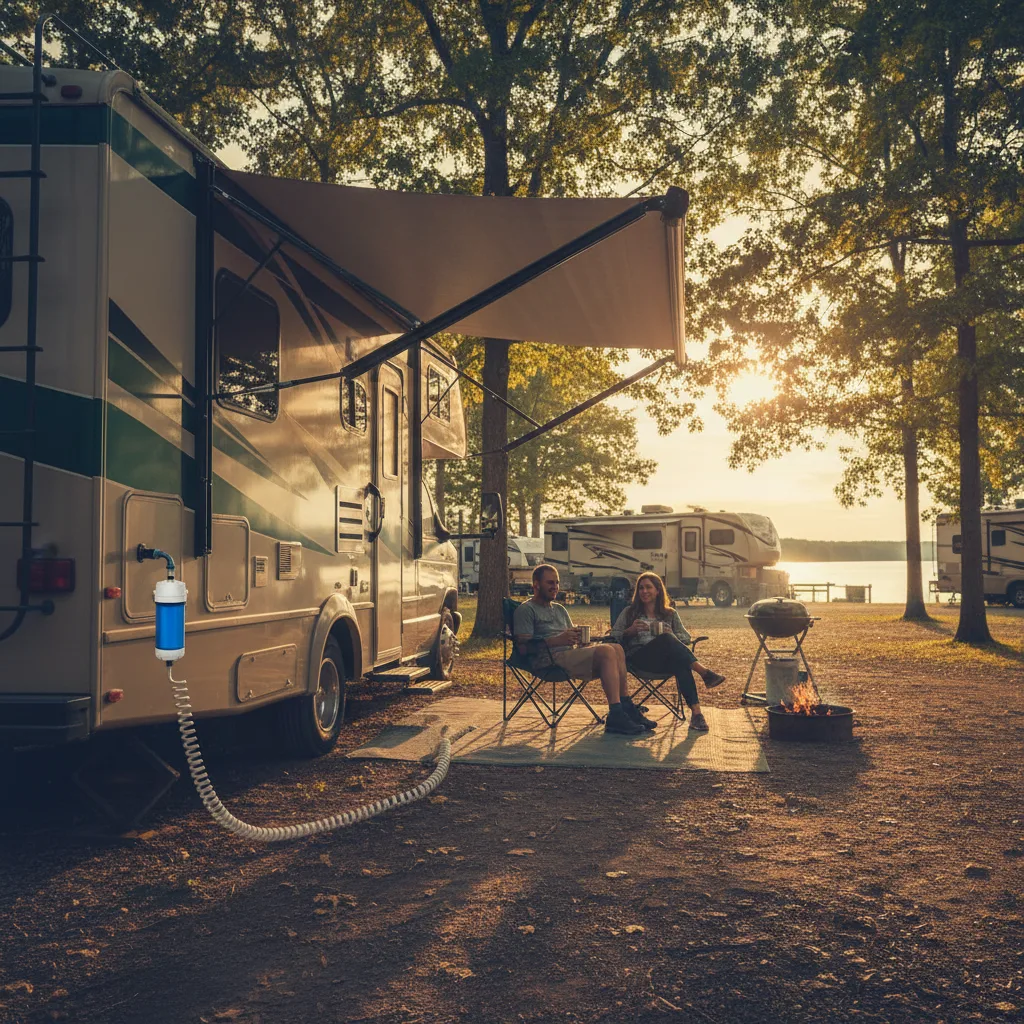
Why RV Water Filtration Is Essential
Full-time RVers and frequent travelers face a unique water quality challenge: inconsistency. Unlike a permanent home connected to a single municipal supply, RV life means connecting to a new water source at every campground, RV park, or dump station. Each connection brings different water chemistry, different infrastructure age, and different contaminant profiles.
We have personally measured TDS levels at campgrounds ranging from 40 ppm (excellent) to over 600 ppm (undrinkable without treatment) within a single state. Some campgrounds have brand-new infrastructure delivering pristine water. Others rely on decades-old pipes, aging wells, or water systems that were never designed for the number of connections they now serve.
Beyond the external water source, your RV's own plumbing introduces risks. Fresh water tanks develop biofilm if not sanitized regularly. Hoses sitting in the sun breed bacteria. And RV plumbing fixtures are not held to the same lead-free standards as residential plumbing. Filtration at the point of use is the only way to ensure consistently clean drinking water regardless of where you park.
The health stakes are also higher on the road than at home. When you are traveling in remote areas, access to medical care for waterborne illness is limited. Symptoms of contaminated water exposure — including gastrointestinal distress, fatigue, and nausea — can derail a trip far from home quickly. Investing in a reliable filtration system is not just about taste; it is about staying healthy enough to actually enjoy the lifestyle you have built around your RV.
What to Look For in an RV Water Filter
RV water filtration works best as a two-stage approach: pre-filtration at the hookup and point-of-use filtration for drinking water.
- Inline sediment pre-filter: Connects between the campground spigot and your RV. Removes sand, rust, and debris that would otherwise enter your tank and damage plumbing. Standard 10-inch housings with 5-micron cartridges are the norm.
- Compact footprint: RV counter space and storage are limited. Your drinking water filter needs to be small enough to fit alongside other kitchen essentials. Countertop RO units and pitchers work best.
- No permanent installation: Many RVers prefer systems they can set up and break down easily. Countertop RO systems plug in and sit on the counter — no drilling or plumbing modifications needed.
- Vibration tolerance: RV components get bounced around on the road. Choose filters with solid construction that handle the vibration and movement of travel without loosening connections or cracking housings.
- Dual-power compatibility: If you boondock, consider whether your filtration system works on limited battery power or requires shore power. Countertop RO systems need a standard outlet, which works on inverter power when dry camping.
Top Picks for RV and Van Life
1. Bluevua RO100ROPOT-UV Countertop Reverse Osmosis System — Best Countertop RO for RV
The Bluevua RO100ROPOT-UV is the ultimate RV drinking water solution. Its 6-stage reverse osmosis with UV sterilization produces the purest water possible from any campground hookup — removing TDS, lead, chlorine, fluoride, bacteria, viruses, and PFAS. The glass carafe keeps purified water free from plastic contact, which matters when your RV is parked in direct sunlight that heats plastic containers.
For RV use, the zero-installation design is key. Set it on the counter, plug it in, fill the reservoir from your RV faucet, and start filtering. No plumbing connections, no faucet adapters, no drilling. When you drive to your next destination, the unit stays put on the counter (secure it with a non-slip mat) or tucks into a cabinet.
The UV sterilization stage is especially valuable for RV use. Campground water and stored tank water can harbor bacteria that develop between sanitization cycles. The Bluevua's UV light kills 99.99% of bacteria and viruses in every batch, providing an extra layer of protection that particularly matters when you are connecting to unfamiliar water sources.
In terms of real-world performance, users consistently report TDS reductions of 90% or more — so water coming in at 400 ppm exits the Bluevua at 40 ppm or below. That is a dramatic improvement that you can verify yourself with an inexpensive TDS meter, giving you visible confirmation that the system is working every time you arrive at a new campsite.
Price Range: $250–$500 | Full Review | Check Price on Amazon
2. Bluevua RO100ROPOT-Lite(UV) Countertop Reverse Osmosis System — Best Value Countertop RO for RV
If the premium Bluevua stretches your budget, the Lite UV model delivers nearly identical performance at $100–$250. You still get 7-stage filtration with UV sterilization, a glass carafe, and remineralization. The smart LED display adds filter life monitoring — a practical feature for travelers who may lose track of when they last changed filters.
The main trade-off is a 3:1 pure-to-drain ratio versus the premium model's 2:1. In campgrounds with unlimited water hookups, this is irrelevant. When boondocking on tank water, the extra waste matters more. For most RVers who primarily use campground hookups, the Lite UV is the smarter financial choice.
The remineralization stage deserves special mention for RV travelers. After RO filtration strips out dissolved solids, the remineralization filter adds back calcium and magnesium — minerals that improve taste and support daily hydration. For RVers who are active and spending long days outdoors hiking or cycling, mineral-balanced water makes a noticeable difference in how refreshed you feel after drinking.
Price Range: $100–$250 | Full Review | Check Price on Amazon
3. Membrane Solutions 5-Micron String Wound Sediment Filter (6-Pack) — Essential Hookup Pre-Filter
Before any water enters your RV, it should pass through a sediment pre-filter. The Membrane Solutions 5-micron string wound cartridges fit standard 10-inch filter housings (available inexpensively at any hardware store) and capture 99% of sand, silt, rust, and debris from campground supply lines.
At $25–$50 for a 6-pack, you have a year's supply of pre-filters at a very low cost per cartridge. Replace them every 1-3 months based on how dirty they get — you will be able to see the accumulated sediment when you swap the cartridge. This visual evidence of what would have been flowing through your pipes is usually enough to convince even skeptical RVers that pre-filtration is essential.
Price Range: $25–$50 | Full Review | Check Price on Amazon
4. Timain 4-Stage Water Filter Straw (2-Pack) — Best Boondocking Backup
When boondocking away from campground hookups, a filter straw provides emergency water filtration from natural sources. The Timain straw weighs just 2.1 ounces and can filter up to 1,500 liters from streams, lakes, and springs. Keep one in your RV's emergency kit and one in your hiking gear for day trips from your campsite.
For van lifers who frequently source water from roadside springs and natural fill points, a filter straw is not just a backup — it is a primary tool. At Under $25 for two straws, the cost is negligible for the peace of mind of knowing you can always access safe drinking water, even off-grid.
Price Range: Under $25 | Full Review | Check Price on Amazon
Who Should Buy a Countertop RO for Their RV — And Who Can Skip It
A countertop RO system is not the right fit for every RV setup. Understanding where it excels and where a simpler solution works just as well helps you spend wisely and choose gear that actually fits your travel style.
Buy a countertop RO if you: travel full-time or more than 100 nights per year, regularly connect to unfamiliar campgrounds across multiple states or regions, have household members with compromised immune systems or young children, are concerned about PFAS, heavy metals, or high-TDS water sources, or simply want the assurance of the cleanest water possible regardless of where you park. The investment pays back quickly when you stop buying bottled water at campground stores.
You can likely skip the RO and use a quality pitcher filter or inline carbon filter if you: camp exclusively at well-maintained private RV resorts with known water quality, travel only a few weekends per year, already test your water sources and consistently see low TDS readings, or are supplementing with a reliable bottled water delivery service at your home base. In low-challenge water environments, a budget-friendly pitcher filter with an activated carbon block may be entirely sufficient for taste and odor improvement.
RV Water System Maintenance Tips
- Sanitize your fresh water tank every 6 months: Use 1/4 cup of unscented bleach per 15 gallons of capacity. Fill, run through all faucets, wait 12 hours, then flush with fresh water until the chlorine smell is gone.
- Use a dedicated white drinking water hose: Never use a garden hose (which may contain lead) for potable water. White or blue RV-rated hoses are designed for drinking water and are inexpensive.
- Drain your system when not in use: Stagnant water breeds bacteria. If your RV sits for more than a week, drain the fresh water tank and open low-point drains.
- Test each new campground's water: Carry an inexpensive TDS meter and test every new water source before drinking. A reading over 500 ppm warrants extra filtration caution.
- Protect hoses from heat: UV exposure degrades hose material and promotes bacterial growth. Keep your water hose shaded or covered when connected at a campsite.
Frequently Asked Questions
Can I use a countertop RO system in an RV?
Do I need a sediment pre-filter for my RV water hookup?
How do I sanitize my RV fresh water tank?
Is campground water safe to drink without filtering?
What water filter should I use when boondocking?
How often should I replace RV water filters?
Can I run a countertop RO system on solar or inverter power while boondocking?
What is the difference between a water filter and a water purifier for RV use?
Should I filter the water going into my RV tank or just at the faucet?
Our Top Pick for RV Life
The Bluevua RO100ROPOT-Lite(UV) Countertop Reverse Osmosis System is our top recommendation for RVers. At $100–$250, it provides countertop RO with UV sterilization — the most thorough purification available without installation. Pair it with a Membrane Solutions sediment pre-filter on your hookup hose, and you have a complete water quality system that works at every campground, from five-star RV resorts to rustic boondocking spots.
Get Our Top 3 Picks
Get our top 3 picks for your budget — one email, then only updates.
Only when something changes. Unsubscribe anytime.