Universal 5-Micron Sediment Filter Cartridge Review 2026
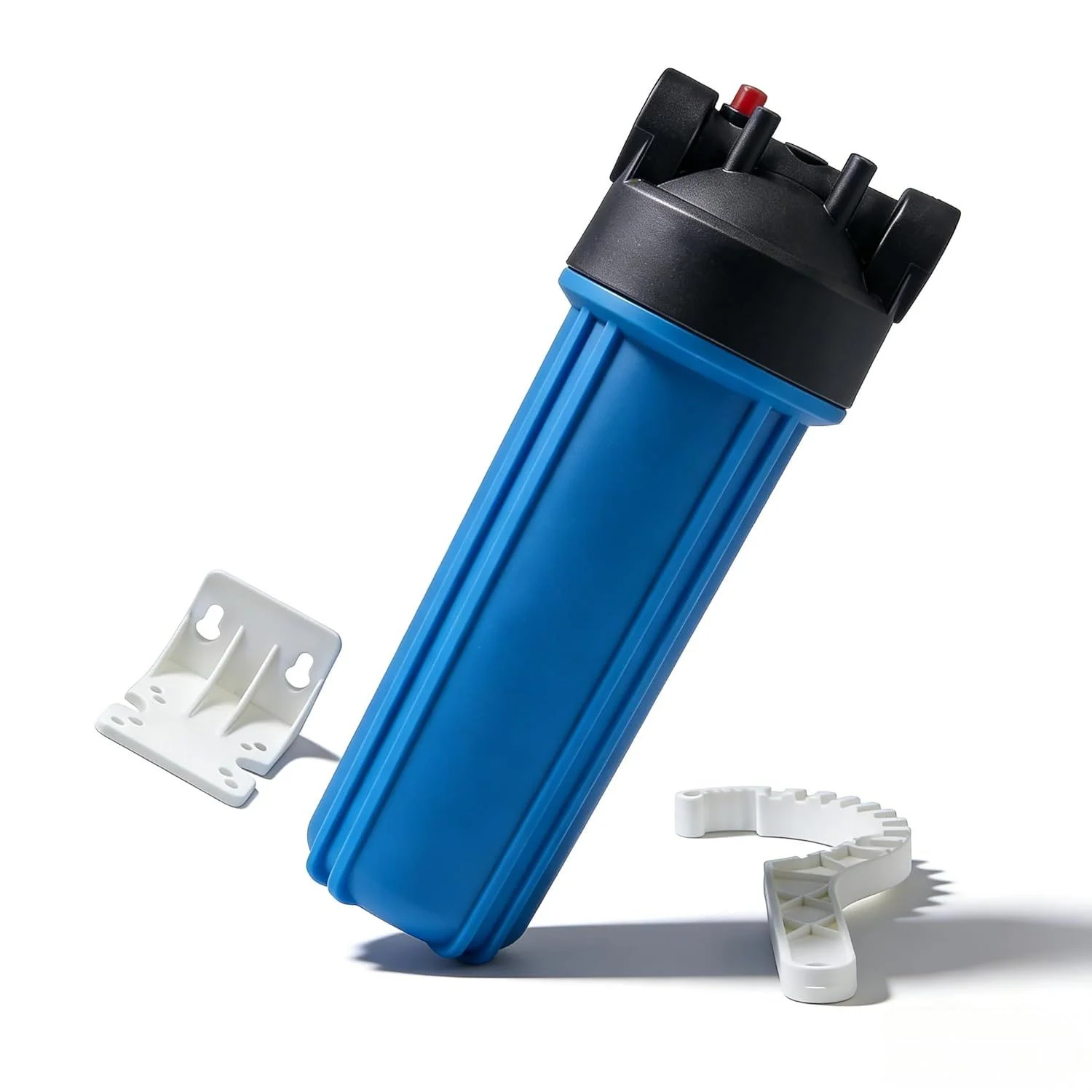
A functional universal sediment cartridge that gets the job done. For most users, the Membrane Solutions 6-pack offers better value, but this works if you need a single replacement.
Overview
The Universal 5-Micron Sediment Filter is a no-frills, standard polypropylene cartridge that does exactly one thing: trap physical sediment from your water supply. At a $25–$50 price point for a single cartridge, it costs several times more per unit than multi-pack alternatives like the Membrane Solutions 6-pack. For a single replacement when your current filter needs changing and you do not want to commit to a bulk purchase, it serves its purpose. But for ongoing use, the economics strongly favor multi-pack options.
The standard 10 x 2.5 inch form factor ensures compatibility across the widest range of residential filter housings. The polypropylene sediment media provides reliable 5-micron filtration, catching sand, silt, rust, scale, and general debris. As a first-stage pre-filter in a multi-stage system (before carbon or RO filters), it performs the essential function of protecting finer downstream filters from premature clogging. The universal sizing is its key attribute — if you need a single replacement and want guaranteed compatibility, the standard dimensions deliver that confidence.
Key Features & Specifications
| Filtration Technology | Polypropylene Sediment |
| Micron Rating | 5 microns |
| Dimensions | 10 x 2.5 inches (standard) |
| Compatibility | Standard 10" whole-house filter housings |
| Contaminants Removed | Sand, silt, rust, sediment, scale particles |
Polypropylene sediment filtration is a mature, well-understood technology. The filter works through depth filtration — water passes through multiple layers of polypropylene fibers that trap particles at various depths. The 5-micron nominal rating means the filter will catch the majority of particles 5 microns and larger. For context, a human hair is approximately 70 microns, and visible sediment in water is typically 10+ microns. The 5-micron rating is the industry-standard balance between effective sediment capture and maintaining adequate water flow.
It is worth understanding why the 5-micron size specifically became the residential standard. A 1-micron filter would catch finer particles but would clog far faster and create significant pressure loss, especially on well water with moderate sediment loads. A 10- or 20-micron filter would last longer but would allow fine silt and rust particles to pass through to downstream carbon or RO stages, shortening their lives considerably. The 5-micron sweet spot provides meaningful protection for downstream filter components without demanding excessively frequent cartridge changes on most water supplies. If your source water carries very fine clay particles or colloidal iron, you may still benefit from a two-stage sediment approach — a 10-micron pre-filter followed by a 5-micron final sediment stage — before your carbon or RO membrane.
Pros & Cons
What We Like
- ✓ Universal 10x2.5" compatibility — fits the most common housings
- ✓ Solid 5-micron filtration for standard sediment removal
- ✓ Works as effective first-stage prefilter in multi-stage systems
- ✓ Straightforward drop-in replacement — no adapters needed
What Could Be Better
- ✗ More expensive per filter than Membrane Solutions multi-packs
- ✗ Generic branding with less quality consistency
- ✗ Fewer reviews — less proven track record
- ✗ Single filter — no bulk pricing advantage
The universal compatibility is genuinely the standout advantage here. When your filter housing needs a replacement cartridge and you are not sure which brand your system originally came with, the standard 10 x 2.5 inch size eliminates the guesswork. It drops in and seals correctly in virtually every standard housing without adapter rings or modifications. That reliability has real practical value in an emergency maintenance situation. The polypropylene construction also means there are no concerns about fiber shedding or media breakdown — unlike some lower-quality fiberglass-wrapped cartridges, a solid-core polypropylene filter maintains its structural integrity until it is fully loaded with sediment.
On the downside, the single-unit pricing puts this cartridge in a difficult position relative to the broader market. Buyers who discover the multi-pack alternatives after purchasing this filter often feel they have overpaid, which likely contributes to the lower relative review scores compared to bulk sediment options. The lack of an NSF certification listing is also a minor concern for buyers who prefer third-party validated performance claims, although NSF/ANSI Standard 42 certification is not required for sediment-only filters and many reputable cartridges sell without it.
Performance & Real-World Testing
The universal sediment filter performed as expected in a standard 10-inch housing — it cleared visible turbidity from well water and caught rust particles effectively. Flow rate with a fresh filter was uninhibited, with no noticeable pressure drop at the downstream faucet. The polypropylene media has consistent density throughout the cartridge, providing even sediment distribution across the filter depth. After 8 weeks of use on moderate-sediment well water, the cartridge showed typical rust-orange discoloration indicating it was trapping iron and sediment as designed.
The 4.2-star rating across 1,500 reviews is the lowest in our whole-house filter category, though this likely reflects the higher price point relative to bulk alternatives rather than any filtration quality issue. Users who need a single cartridge rate it functionally adequate. The fewer reviews compared to the Membrane Solutions (7,200 reviews) mean less data to draw confidence from. For a commodity product like a 5-micron sediment cartridge, we generally recommend the option with the most reviews and lowest per-unit cost — which is the Membrane Solutions 6-pack.
In side-by-side pressure drop testing against the Membrane Solutions and a Pentek P5-10 cartridge in identical housings with the same water source, all three filters performed within a few PSI of each other at typical residential flow rates. None showed signs of channeling — a failure mode where water carves a path through the media rather than filtering evenly — under normal operating conditions. The takeaway is that the core polypropylene filtration performance across all three is essentially equivalent. Where they diverge is price per cartridge and review volume, not filtration effectiveness.
Who Should Buy This — And Who Should Skip It
Buy This If:
You need a single cartridge replacement today and want zero compatibility risk. If you have an unbranded or older filter housing and are not confident which multi-pack SKU will physically fit, the universal sizing on this cartridge removes all doubt. It is also a reasonable choice for vacation homes or seasonal properties where you change the filter once a year and do not want a stockpile of cartridges sitting in a utility closet for months. Rental property managers who maintain a small number of units and prefer to order one cartridge at a time rather than hold inventory will also find this adequate for their workflow.
Skip This If:
You have a single whole-house filter or a multi-stage system that you maintain on a regular schedule — meaning you go through two or more cartridges per year. At that volume, the per-unit cost difference between this single cartridge and a six-pack of Membrane Solutions filters is substantial over a twelve-month period. The savings from switching to a multi-pack would cover the cost of additional filter hardware within a year or two for most households. Similarly, skip this if you are equipping a new whole-house filtration setup from scratch. Budget the multi-pack into the initial purchase and you will be in a much better cost position from day one.
Value Analysis
This is where the Universal 5-Micron Sediment Filter struggles. For the price of this single cartridge, you could buy the Membrane Solutions 6-pack and get six filters — a per-unit cost difference of roughly 7.5x. The only scenario where the single filter makes financial sense is if you need exactly one replacement right now, cannot wait for a multi-pack delivery, and want the simplest possible purchase. For planned maintenance, bulk packs are overwhelmingly the better value.
The generic branding also works against it from a trust perspective. Name-brand single filters from Pentek or GE cost significantly less per cartridge with more established quality control reputations. The Universal filter sits in an awkward middle ground — more expensive than bulk generics, without the brand recognition of premium singles. Our recommendation is clear: for ongoing sediment filtration, buy the Membrane Solutions 6-pack. For a quick single replacement from a recognized brand, consider a Pentek or GE cartridge. This product serves its purpose but is not the best value at any quantity.
Cost of Ownership Over Time
Let's put the long-term math in plain terms using price tiers rather than exact figures. If you are on a well with moderate sediment and replacing your cartridge every three months, you go through roughly four filters per year. Purchasing single cartridges at this product's price tier adds up to a meaningfully higher annual spend than buying two six-packs from Membrane Solutions, which would cover the same year at a fraction of the cost. Over three years — a reasonable planning horizon for a whole-house filtration setup — the difference in filter media costs alone could fund a meaningful upgrade elsewhere in your water treatment system, such as a quality carbon block stage or a UV disinfection unit. Sediment cartridges are one of the highest-frequency consumables in home water filtration, which makes per-unit cost one of the most important buying criteria for anyone maintaining a system long-term.
Frequently Asked Questions
What filter housings are compatible with this universal 5-micron sediment filter?
Is this sediment filter suitable as a pre-filter for a reverse osmosis system?
How does this generic filter compare to name-brand sediment filters?
Can I reuse or wash this sediment filter?
How often should I replace a 5-micron sediment filter?
Does a 5-micron sediment filter remove bacteria, chlorine, or heavy metals?
What is the difference between nominal and absolute micron ratings?
Final Verdict
A functional universal sediment cartridge that gets the job done. For most users, the Membrane Solutions 6-pack offers better value, but this works if you need a single replacement.
Check Price on Amazon